







';

What Grounds Do I Need To Prove To Get a Divorce in Ghana?

What Grounds Do I Need To Prove To Get a Divorce in Ghana?

[vc_row css=”.vc_custom_1572799373709{margin-top: 7px !important;margin-bottom: 40px !important;}”][vc_column][vc_column_text el_class=”breadline1″][php_everywhere][/vc_column_text][/vc_column][/vc_row][vc_row css=”.vc_custom_1572798936464{padding-right: 10px !important;padding-left: 10px !important;}”][vc_column width=”1/4″ el_class=”detasubmenu1″ col_shadow=”box_shadow_enable:disable|shadow_horizontal:0|shadow_vertical:15|shadow_blur:50|shadow_spread:0|box_shadow_color:rgba(0%2C0%2C0%2C0.35)” col_shadow_hover=”box_shadow_enable:disable|shadow_horizontal:0|shadow_vertical:15|shadow_blur:50|shadow_spread:0|box_shadow_color:rgba(0%2C0%2C0%2C0.35)”][dfd_heading content_alignment=”text-left” enable_delimiter=”” style=”style_01″ title_font_options=”tag:h3|font_size:28|line_height:34″ subtitle_font_options=”tag:h3″]Categories

[/dfd_heading][vc_widget_sidebar sidebar_id=”sidebar-sidearea” el_class=”leftblogcate1″][dfd_spacer screen_wide_resolution=”1280″ screen_wide_spacer_size=”50″ screen_normal_resolution=”1024″ screen_tablet_resolution=”800″ screen_mobile_resolution=”480″ screen_normal_spacer_size=”50″ screen_tablet_spacer_size=”50″ screen_mobile_spacer_size=”50″][dfd_heading content_alignment=”text-left” enable_delimiter=”” style=”style_01″ title_font_options=”tag:h3|font_size:28|line_height:34″ subtitle_font_options=”tag:h3″]Articles

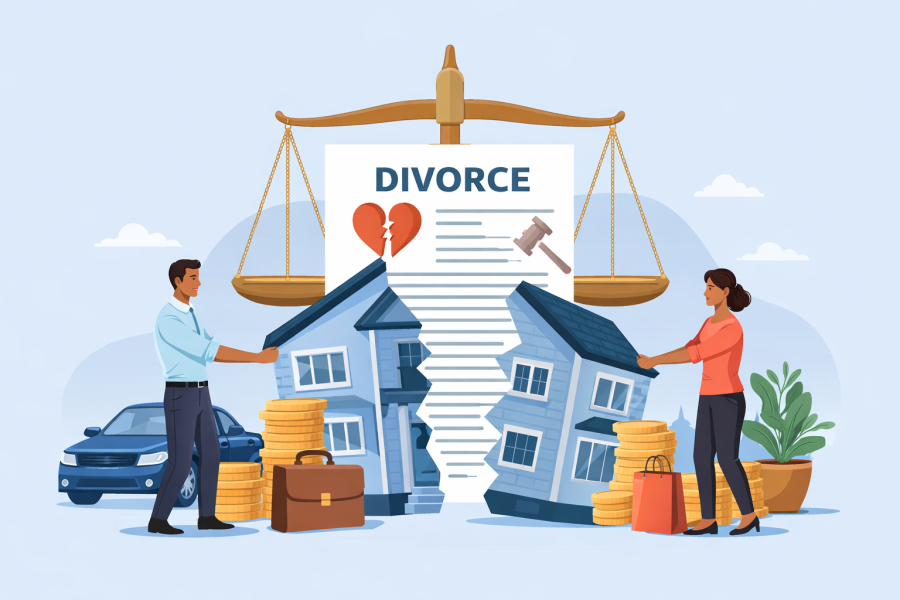
[/dfd_heading][dfd_spacer screen_wide_resolution=”1280″ screen_wide_spacer_size=”10″ screen_normal_resolution=”1024″ screen_tablet_resolution=”800″ screen_mobile_resolution=”480″ screen_normal_spacer_size=”9″ screen_tablet_spacer_size=”10″ screen_mobile_spacer_size=”10″][dfd_blog_posts post_categories=”divorce-and-family-law-in-ghana,estate-planning-in-ghana,immigration-law-in-ghana,personal-injury-in-ghana” exclude_from_loop=”” posts_to_show=”9″ items_offset=”20″ columns=”1″ image_width=”900″ image_height=”600″ grid_sort_panel=”” enabled_excerpt=”” enabled_read_more=”” enabled_share=”” enabled_comments=”” enabled_likes=”” enabled_anim_com_like=”” style=”default” layout_type_grid_carousel=”fitRows” el_class=”leftblog1 leftblog12″ title_font_options=”tag:div”][/vc_column][vc_column width=”3/4″ css=”.vc_custom_1572797133781{padding-left: 40px !important;}” col_shadow=”box_shadow_enable:disable|shadow_horizontal:0|shadow_vertical:15|shadow_blur:50|shadow_spread:0|box_shadow_color:rgba(0%2C0%2C0%2C0.35)” col_shadow_hover=”box_shadow_enable:disable|shadow_horizontal:0|shadow_vertical:15|shadow_blur:50|shadow_spread:0|box_shadow_color:rgba(0%2C0%2C0%2C0.35)”][vc_single_image image=”1920″ img_size=”full”][vc_column_text]In Ghana, the sole ground for granting a petition for divorce is that the marriage has broken down beyond reconciliation, the Petitioner must satisfy the court of one or more of the following facts:

  • that the Respondent has committed adultery; or
  • that the Respondent has behaved in such a way that the Petitioner cannot reasonably be expected to live with the Respondent; or
  • that the Respondent has deserted the Petitioner for a continuous period of at least two years immediately preceding the presentation of the petition; or
  • that the parties to the marriage have not lived as man and wife for a continuous period of at least two years immediately preceding the presentation; or
  • that the parties to the marriage have not lived as man and wife for a continuous period of at least five years immediately preceding the presentation of the petition; or
  • that the parties to the marriage have, after diligent effort, been unable to reconcile their differences.

The most common way that people file for divorce is to petition the court  that the Respondent has behaved in such a way that the Petitioner cannot reasonably be expected to live with the Respondent.

[/vc_column_text][vc_column_text el_class=”blogdiscla1″]Disclaimer: The information you obtain from this article is not, nor is it intended to be, legal advice. You should consult a lawyer for advice regarding your individual situation. Contacting us or viewing this blog does not create lawyer-client relationship.[/vc_column_text][dfd_new_share_module enable_facebook_share=”yes” enable_twitter_share=”yes” enable_linkedin_share=”yes” single_border_radius=”1″ single_diameter=”40″ single_background_color=”” element_alignment=”text-left” main_style=”style-6″ el_class=”blogshare1″][/vc_column][/vc_row]

Legal Empire
