









[vc_row css=”.vc_custom_1572799373709{margin-top: 7px !important;margin-bottom: 40px !important;}”][vc_column][vc_column_text el_class=”breadline1″][php_everywhere][/vc_column_text][/vc_column][/vc_row][vc_row css=”.vc_custom_1572798936464{padding-right: 10px !important;padding-left: 10px !important;}”][vc_column width=”1/4″ el_class=”detasubmenu1″ col_shadow=”box_shadow_enable:disable|shadow_horizontal:0|shadow_vertical:15|shadow_blur:50|shadow_spread:0|box_shadow_color:rgba(0%2C0%2C0%2C0.35)” col_shadow_hover=”box_shadow_enable:disable|shadow_horizontal:0|shadow_vertical:15|shadow_blur:50|shadow_spread:0|box_shadow_color:rgba(0%2C0%2C0%2C0.35)”][dfd_heading content_alignment=”text-left” enable_delimiter=”” style=”style_01″ title_font_options=”tag:h3|font_size:28|line_height:34″ subtitle_font_options=”tag:h3″]Categories
[/dfd_heading][vc_widget_sidebar sidebar_id=”sidebar-sidearea” el_class=”leftblogcate1″][dfd_spacer screen_wide_resolution=”1280″ screen_wide_spacer_size=”50″ screen_normal_resolution=”1024″ screen_tablet_resolution=”800″ screen_mobile_resolution=”480″ screen_normal_spacer_size=”50″ screen_tablet_spacer_size=”50″ screen_mobile_spacer_size=”50″][dfd_heading content_alignment=”text-left” enable_delimiter=”” style=”style_01″ title_font_options=”tag:h3|font_size:28|line_height:34″ subtitle_font_options=”tag:h3″]Articles
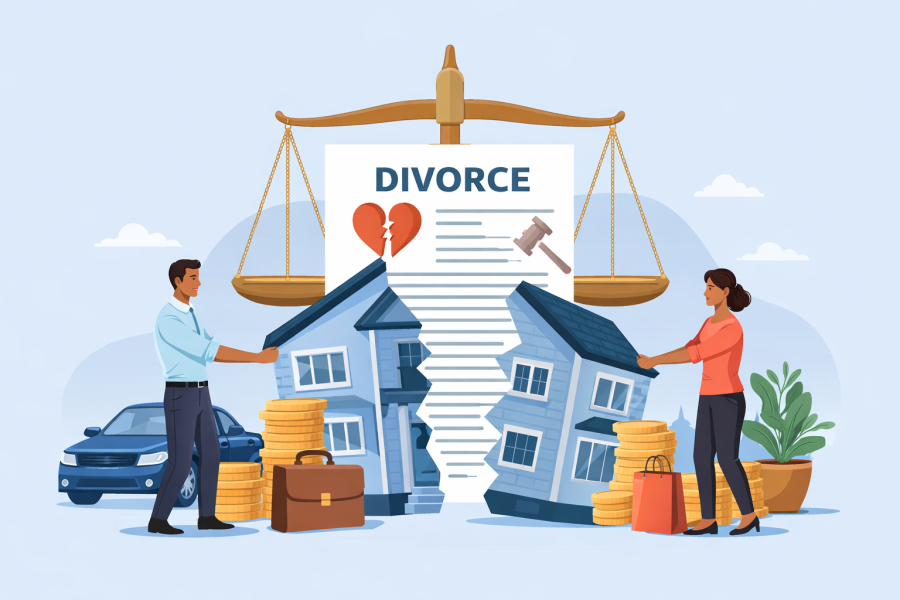
[/dfd_heading][dfd_spacer screen_wide_resolution=”1280″ screen_wide_spacer_size=”10″ screen_normal_resolution=”1024″ screen_tablet_resolution=”800″ screen_mobile_resolution=”480″ screen_normal_spacer_size=”9″ screen_tablet_spacer_size=”10″ screen_mobile_spacer_size=”10″][dfd_blog_posts post_categories=”divorce-and-family-law-in-ghana,estate-planning-in-ghana,immigration-law-in-ghana,personal-injury-in-ghana” exclude_from_loop=”” posts_to_show=”9″ items_offset=”20″ columns=”1″ image_width=”900″ image_height=”600″ grid_sort_panel=”” enabled_excerpt=”” enabled_read_more=”” enabled_share=”” enabled_comments=”” enabled_likes=”” enabled_anim_com_like=”” style=”default” layout_type_grid_carousel=”fitRows” el_class=”leftblog1 leftblog12″ title_font_options=”tag:div”][/vc_column][vc_column width=”3/4″ css=”.vc_custom_1572797133781{padding-left: 40px !important;}” col_shadow=”box_shadow_enable:disable|shadow_horizontal:0|shadow_vertical:15|shadow_blur:50|shadow_spread:0|box_shadow_color:rgba(0%2C0%2C0%2C0.35)” col_shadow_hover=”box_shadow_enable:disable|shadow_horizontal:0|shadow_vertical:15|shadow_blur:50|shadow_spread:0|box_shadow_color:rgba(0%2C0%2C0%2C0.35)”][vc_single_image image=”1920″ img_size=”full”][vc_column_text]In order to modify your current custody order, you must meet the criteria. The first is that you must show there has been substantial changes in circumstances from the time the last order was granted. Second, the modification must be in the best interest of the child.
Substantial changes in circumstances could include:
• Having a better paying job or there has been a reduction in the parent’s salary.
• The parent having primary custody may be relocating to a different part of the country or leaving the country all together.
• At the time the first order was issued, the parent was struggling with substance abuse but has now recovered. The parent wants an opportunity to have the order modified so that he or she can have joint custody of their children.
Another reason to request for a modification is that one of the parents is refusing to abide by the current order.
A further reason may be that a child’s needs have changed. For instance, the child has developed some sort of medical problem that one parent is more capable of handling than the other.
The examples given above are some of the many reasons why you might be able to get a modification of a current custody order. One is substantial changes in circumstances and the second is what is the best interest of the child.[/vc_column_text][vc_column_text el_class=”blogdiscla1″]Disclaimer: The information you obtain from this article is not, nor is it intended to be, legal advice. You should consult a lawyer for advice regarding your individual situation. Contacting us or viewing this blog does not create lawyer-client relationship.[/vc_column_text][dfd_new_share_module enable_facebook_share=”yes” enable_twitter_share=”yes” enable_linkedin_share=”yes” single_border_radius=”1″ single_diameter=”40″ single_background_color=”” element_alignment=”text-left” main_style=”style-6″ el_class=”blogshare1″][/vc_column][/vc_row]
