










[vc_row css=”.vc_custom_1572799373709{margin-top: 7px !important;margin-bottom: 40px !important;}”][vc_column][vc_column_text el_class=”breadline1″][php_everywhere][/vc_column_text][/vc_column][/vc_row][vc_row css=”.vc_custom_1572798936464{padding-right: 10px !important;padding-left: 10px !important;}”][vc_column width=”1/4″ el_class=”detasubmenu1″ col_shadow=”box_shadow_enable:disable|shadow_horizontal:0|shadow_vertical:15|shadow_blur:50|shadow_spread:0|box_shadow_color:rgba(0%2C0%2C0%2C0.35)” col_shadow_hover=”box_shadow_enable:disable|shadow_horizontal:0|shadow_vertical:15|shadow_blur:50|shadow_spread:0|box_shadow_color:rgba(0%2C0%2C0%2C0.35)”][dfd_heading content_alignment=”text-left” enable_delimiter=”” style=”style_01″ title_font_options=”tag:h3|font_size:28|line_height:34″ subtitle_font_options=”tag:h3″]Categories
[/dfd_heading][vc_widget_sidebar sidebar_id=”sidebar-sidearea” el_class=”leftblogcate1″][dfd_spacer screen_wide_resolution=”1280″ screen_wide_spacer_size=”50″ screen_normal_resolution=”1024″ screen_tablet_resolution=”800″ screen_mobile_resolution=”480″ screen_normal_spacer_size=”50″ screen_tablet_spacer_size=”50″ screen_mobile_spacer_size=”50″][dfd_heading content_alignment=”text-left” enable_delimiter=”” style=”style_01″ title_font_options=”tag:h3|font_size:28|line_height:34″ subtitle_font_options=”tag:h3″]Articles
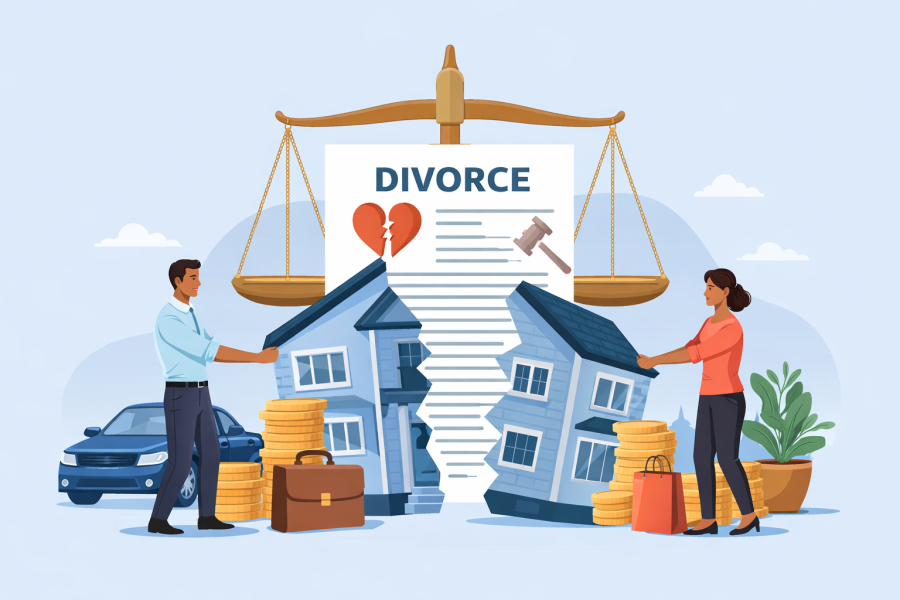
[/dfd_heading][dfd_spacer screen_wide_resolution=”1280″ screen_wide_spacer_size=”10″ screen_normal_resolution=”1024″ screen_tablet_resolution=”800″ screen_mobile_resolution=”480″ screen_normal_spacer_size=”9″ screen_tablet_spacer_size=”10″ screen_mobile_spacer_size=”10″][dfd_blog_posts post_categories=”divorce-and-family-law-in-ghana,estate-planning-in-ghana,immigration-law-in-ghana,personal-injury-in-ghana” exclude_from_loop=”” posts_to_show=”9″ items_offset=”20″ columns=”1″ image_width=”900″ image_height=”600″ grid_sort_panel=”” enabled_excerpt=”” enabled_read_more=”” enabled_share=”” enabled_comments=”” enabled_likes=”” enabled_anim_com_like=”” style=”default” layout_type_grid_carousel=”fitRows” el_class=”leftblog1 leftblog12″ title_font_options=”tag:div”][/vc_column][vc_column width=”3/4″ css=”.vc_custom_1572797133781{padding-left: 40px !important;}” col_shadow=”box_shadow_enable:disable|shadow_horizontal:0|shadow_vertical:15|shadow_blur:50|shadow_spread:0|box_shadow_color:rgba(0%2C0%2C0%2C0.35)” col_shadow_hover=”box_shadow_enable:disable|shadow_horizontal:0|shadow_vertical:15|shadow_blur:50|shadow_spread:0|box_shadow_color:rgba(0%2C0%2C0%2C0.35)”][vc_single_image image=”1920″ img_size=”full”][vc_column_text]When a divorce or custody case reaches the court, the involved parties always have the option to settle matters amicably instead of undergoing a protracted and expensive trial. A settlement is a mutual agreement crafted with the guidance of their respective lawyers. The agreement may address issues such as alimony, child support, educational expenses, medical costs, property distribution, and the arrangement for sharing vacations, public holidays, birthdays, and Christmas with the children.
Settling these matters allows the parties to have greater autonomy over the final terms, rather than having the court impose orders on them. While it’s beneficial to resolve as many issues as possible, the parties are under no obligation to reach an agreement. In the absence of a settlement, the case will proceed to trial.[/vc_column_text][vc_column_text el_class=”blogdiscla1″]Disclaimer: The information you obtain from this article is not, nor is it intended to be, legal advice. You should consult a lawyer for advice regarding your individual situation. Contacting us or viewing this blog does not create lawyer-client relationship.[/vc_column_text][dfd_new_share_module enable_facebook_share=”yes” enable_twitter_share=”yes” enable_linkedin_share=”yes” single_border_radius=”1″ single_diameter=”40″ single_background_color=”” element_alignment=”text-left” main_style=”style-6″ el_class=”blogshare1″][/vc_column][/vc_row]
