









[vc_row css=”.vc_custom_1572799373709{margin-top: 7px !important;margin-bottom: 40px !important;}”][vc_column][vc_column_text el_class=”breadline1″][php_everywhere][/vc_column_text][/vc_column][/vc_row][vc_row css=”.vc_custom_1572798936464{padding-right: 10px !important;padding-left: 10px !important;}”][vc_column width=”1/4″ el_class=”detasubmenu1″ col_shadow=”box_shadow_enable:disable|shadow_horizontal:0|shadow_vertical:15|shadow_blur:50|shadow_spread:0|box_shadow_color:rgba(0%2C0%2C0%2C0.35)” col_shadow_hover=”box_shadow_enable:disable|shadow_horizontal:0|shadow_vertical:15|shadow_blur:50|shadow_spread:0|box_shadow_color:rgba(0%2C0%2C0%2C0.35)”][dfd_heading content_alignment=”text-left” enable_delimiter=”” style=”style_01″ title_font_options=”tag:h3|font_size:28|line_height:34″ subtitle_font_options=”tag:h3″]Categories
[/dfd_heading][vc_widget_sidebar sidebar_id=”sidebar-sidearea” el_class=”leftblogcate1″][dfd_spacer screen_wide_resolution=”1280″ screen_wide_spacer_size=”50″ screen_normal_resolution=”1024″ screen_tablet_resolution=”800″ screen_mobile_resolution=”480″ screen_normal_spacer_size=”50″ screen_tablet_spacer_size=”50″ screen_mobile_spacer_size=”50″][dfd_heading content_alignment=”text-left” enable_delimiter=”” style=”style_01″ title_font_options=”tag:h3|font_size:28|line_height:34″ subtitle_font_options=”tag:h3″]Articles
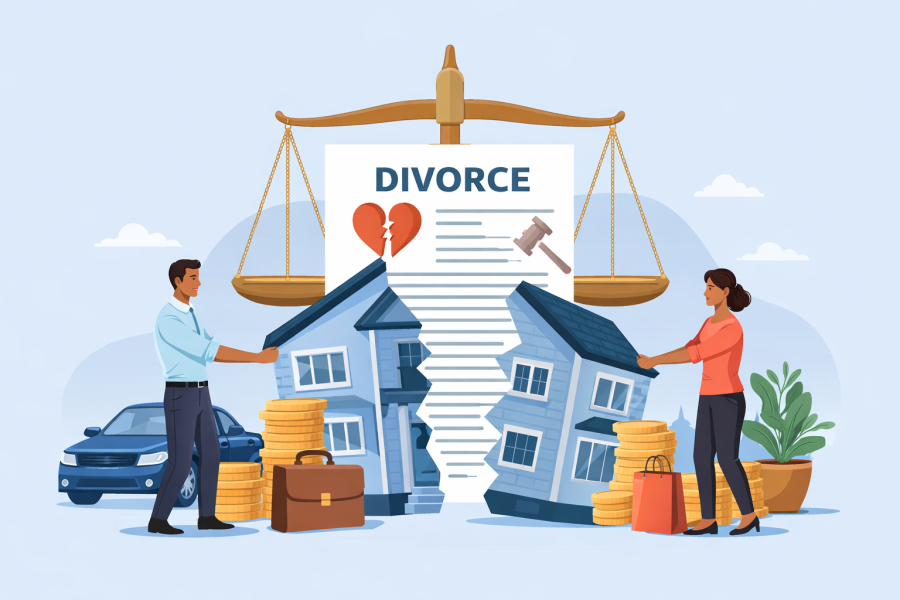
[/dfd_heading][dfd_spacer screen_wide_resolution=”1280″ screen_wide_spacer_size=”10″ screen_normal_resolution=”1024″ screen_tablet_resolution=”800″ screen_mobile_resolution=”480″ screen_normal_spacer_size=”9″ screen_tablet_spacer_size=”10″ screen_mobile_spacer_size=”10″][dfd_blog_posts post_categories=”divorce-and-family-law-in-ghana,estate-planning-in-ghana,immigration-law-in-ghana,personal-injury-in-ghana” exclude_from_loop=”” posts_to_show=”9″ items_offset=”20″ columns=”1″ image_width=”900″ image_height=”600″ grid_sort_panel=”” enabled_excerpt=”” enabled_read_more=”” enabled_share=”” enabled_comments=”” enabled_likes=”” enabled_anim_com_like=”” style=”default” layout_type_grid_carousel=”fitRows” el_class=”leftblog1 leftblog12″ title_font_options=”tag:div”][/vc_column][vc_column width=”3/4″ css=”.vc_custom_1572797133781{padding-left: 40px !important;}” col_shadow=”box_shadow_enable:disable|shadow_horizontal:0|shadow_vertical:15|shadow_blur:50|shadow_spread:0|box_shadow_color:rgba(0%2C0%2C0%2C0.35)” col_shadow_hover=”box_shadow_enable:disable|shadow_horizontal:0|shadow_vertical:15|shadow_blur:50|shadow_spread:0|box_shadow_color:rgba(0%2C0%2C0%2C0.35)”][vc_column_text]Child custody mediation is a form of dispute resolution granted by the court or suggested by the parties to settle matters concerning custody of a child. The court will suggest a mediator or the parties can settle on a neutral person to be a mediator.
How do I prepare for custody mediation when the other parent is so unreasonable?
There is no formula to prepare for custody mediation. All you need to do as a parent is to remain calm and do not put any pressure on yourself. Nobody, not even the mediator, can pressure you into a custody plan you are not comfortable with.
It is in your interest to remain calm and to keep an open mind. It is always best to focus on the best interest of your child. The mediator will go through any paperwork before a date for mediation. It is the duty of the mediator to understand each parent’s position concerning custody issues. It is also the duty of the mediator to help the parents reach a reasonable compromise.
What should I do as a parent during the mediation process?
• You should have an honest discussion with the mediator
• You should not argue with the mediator. You can express yourself without getting angry or annoyed.
• If the other parent is not telling the truth, make this known to the mediator
• It is not advisable to criticize the other parent.
• It is advisable you are receptive to what the mediator says on custody issues
• Never feel pressured to come into an agreement which is not in the best interest of the child.
• You can take notes on what the other parent says
• If you have a lawyer, he or she should prepare you for mediation.[/vc_column_text][vc_column_text el_class=”blogdiscla1″]Disclaimer: The information you obtain from this article is not, nor is it intended to be, legal advice. You should consult a lawyer for advice regarding your individual situation. Contacting us or viewing this blog does not create lawyer-client relationship.[/vc_column_text][dfd_new_share_module enable_facebook_share=”yes” enable_twitter_share=”yes” enable_linkedin_share=”yes” single_border_radius=”1″ single_diameter=”40″ single_background_color=”” element_alignment=”text-left” main_style=”style-6″ el_class=”blogshare1″][/vc_column][/vc_row]
