









[vc_row css=”.vc_custom_1572799373709{margin-top: 7px !important;margin-bottom: 40px !important;}”][vc_column][vc_column_text el_class=”breadline1″][php_everywhere][/vc_column_text][/vc_column][/vc_row][vc_row css=”.vc_custom_1572798936464{padding-right: 10px !important;padding-left: 10px !important;}”][vc_column width=”1/4″ el_class=”detasubmenu1″ col_shadow=”box_shadow_enable:disable|shadow_horizontal:0|shadow_vertical:15|shadow_blur:50|shadow_spread:0|box_shadow_color:rgba(0%2C0%2C0%2C0.35)” col_shadow_hover=”box_shadow_enable:disable|shadow_horizontal:0|shadow_vertical:15|shadow_blur:50|shadow_spread:0|box_shadow_color:rgba(0%2C0%2C0%2C0.35)”][dfd_heading content_alignment=”text-left” enable_delimiter=”” style=”style_01″ title_font_options=”tag:h3|font_size:28|line_height:34″ subtitle_font_options=”tag:h3″]Categories
[/dfd_heading][vc_widget_sidebar sidebar_id=”sidebar-sidearea” el_class=”leftblogcate1″][dfd_spacer screen_wide_resolution=”1280″ screen_wide_spacer_size=”50″ screen_normal_resolution=”1024″ screen_tablet_resolution=”800″ screen_mobile_resolution=”480″ screen_normal_spacer_size=”50″ screen_tablet_spacer_size=”50″ screen_mobile_spacer_size=”50″][dfd_heading content_alignment=”text-left” enable_delimiter=”” style=”style_01″ title_font_options=”tag:h3|font_size:28|line_height:34″ subtitle_font_options=”tag:h3″]Articles
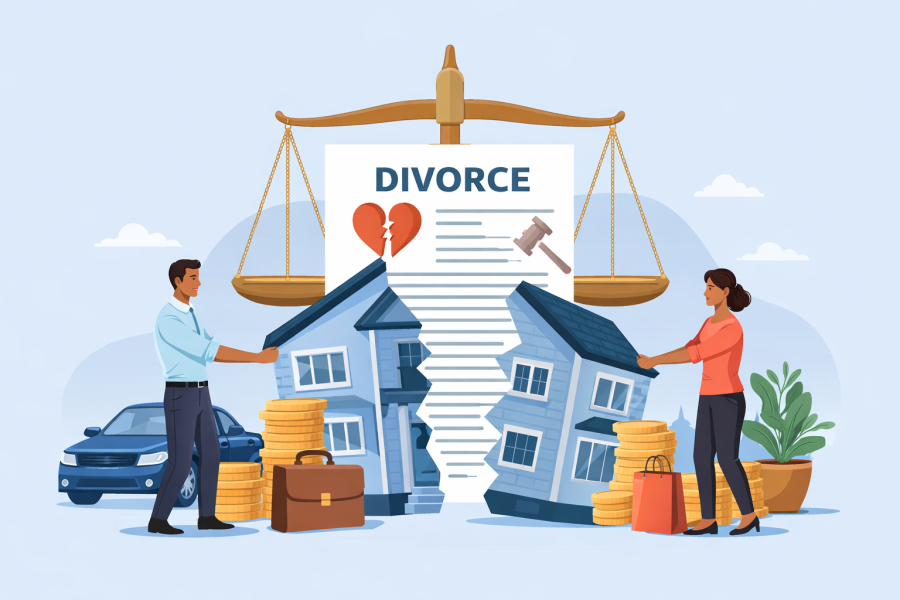
[/dfd_heading][dfd_spacer screen_wide_resolution=”1280″ screen_wide_spacer_size=”10″ screen_normal_resolution=”1024″ screen_tablet_resolution=”800″ screen_mobile_resolution=”480″ screen_normal_spacer_size=”9″ screen_tablet_spacer_size=”10″ screen_mobile_spacer_size=”10″][dfd_blog_posts post_categories=”divorce-and-family-law-in-ghana,estate-planning-in-ghana,immigration-law-in-ghana,personal-injury-in-ghana” exclude_from_loop=”” posts_to_show=”9″ items_offset=”20″ columns=”1″ image_width=”900″ image_height=”600″ grid_sort_panel=”” enabled_excerpt=”” enabled_read_more=”” enabled_share=”” enabled_comments=”” enabled_likes=”” enabled_anim_com_like=”” style=”default” layout_type_grid_carousel=”fitRows” el_class=”leftblog1 leftblog12″ title_font_options=”tag:div”][/vc_column][vc_column width=”3/4″ css=”.vc_custom_1572797133781{padding-left: 40px !important;}” col_shadow=”box_shadow_enable:disable|shadow_horizontal:0|shadow_vertical:15|shadow_blur:50|shadow_spread:0|box_shadow_color:rgba(0%2C0%2C0%2C0.35)” col_shadow_hover=”box_shadow_enable:disable|shadow_horizontal:0|shadow_vertical:15|shadow_blur:50|shadow_spread:0|box_shadow_color:rgba(0%2C0%2C0%2C0.35)”][vc_single_image image=”1920″ img_size=”full”][vc_column_text]This situation is very common especially when the husband and wife are living apart during divorce proceedings. The wife may continue to live in the matrimonial home while the husband rents an apartment or stays with friends.
So who pays the bills in the matrimonial home?
The court looks at the status quo of the parties prior to the filing of the divorce.
If the husband was taking care of all the bills, he would be required to continue paying the bills notwithstanding that he no longer lives in the matrimonial home. If the bills were shared between the husband and wife, the husband would be required to pay his share as well as the bills for his new place of abode.[/vc_column_text][vc_column_text el_class=”blogdiscla1″]Disclaimer: The information you obtain from this article is not, nor is it intended to be, legal advice. You should consult a lawyer for advice regarding your individual situation. Contacting us or viewing this blog does not create lawyer-client relationship.[/vc_column_text][dfd_new_share_module enable_facebook_share=”yes” enable_twitter_share=”yes” enable_linkedin_share=”yes” single_border_radius=”1″ single_diameter=”40″ single_background_color=”” element_alignment=”text-left” main_style=”style-6″ el_class=”blogshare1″][/vc_column][/vc_row]
